The History of Sedona
Sedona is visited by over 3 million tourists each year! The attractions are endless — the stunning red rock landscapes surrounding Sedona entice outdoor adventurers of all kinds, luxury spa resorts lure wellness travelers, foodies have a fine selection of restaurants and wineries, and national monuments of timeless beauty give evidence of times gone by. According to archaeological evidence, the story of Sedona's first settlers dates back over 10,000 years with ancient tales ranging from cliff dwellers to cowboys.
The Sinagua People
Most of the ancient pueblos were built along the banks of the Verde River and creeks to provide fertile soil for farming and wildlife for survival. By 1300 AD, the only evidence of the Sinagua tribe was the petroglyph and pictograph rock art etched in the red rock cave walls. Why they disappeared so suddenly to this day remains a mystery. Soon after, the Yavapai, Apache, Hopi, and Navajo tribes realized the rich local resources and settled happily in the Verde Valley, until the arrival of the European settlers.
Sedona and the Verde Valley are still scattered with some of the oldest and best preserved cliff dwellings in the Southwest. Visit Montezuma Castle in Camp Verde, one of the oldest cliff dwellings, constructed by the Sinaguans around 1100 AD. Set high in a 150-foot limestone cliff, the complex consists of a five-story building with a collection of 20 rooms used to house families.
Early American Settlers
In 1876, John James Thompson became the first permanent American settler in Sedona, claiming a parcel of land in Oak Creek Canyon under the 1862 Homestead Act. This parcel of land was situated across what is today one of Sedona's favorite breakfast spots, the Indian Gardens Market and Cafe. At the same time, John Lee and Henry Schuerman settled along the lower banks of Oak Creek in an area today known as Red Rock State Park.
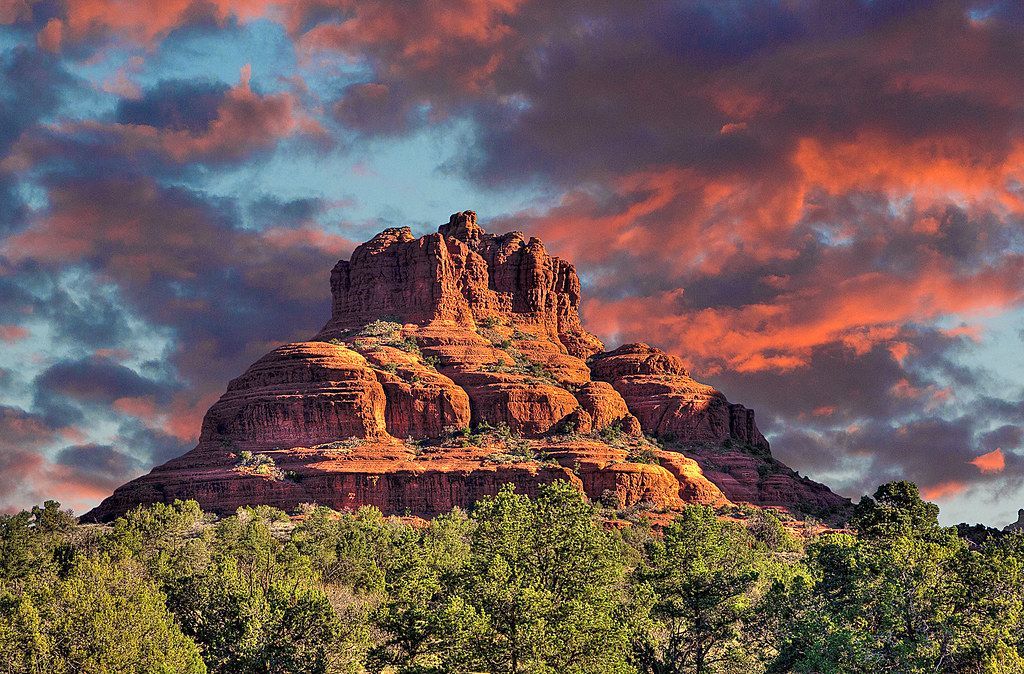
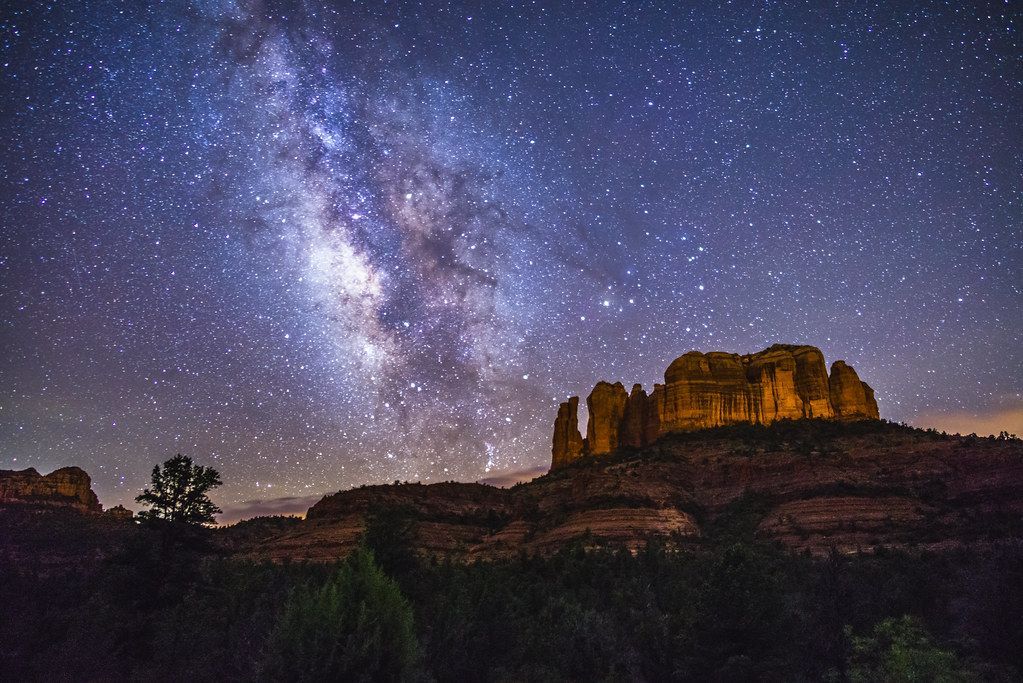
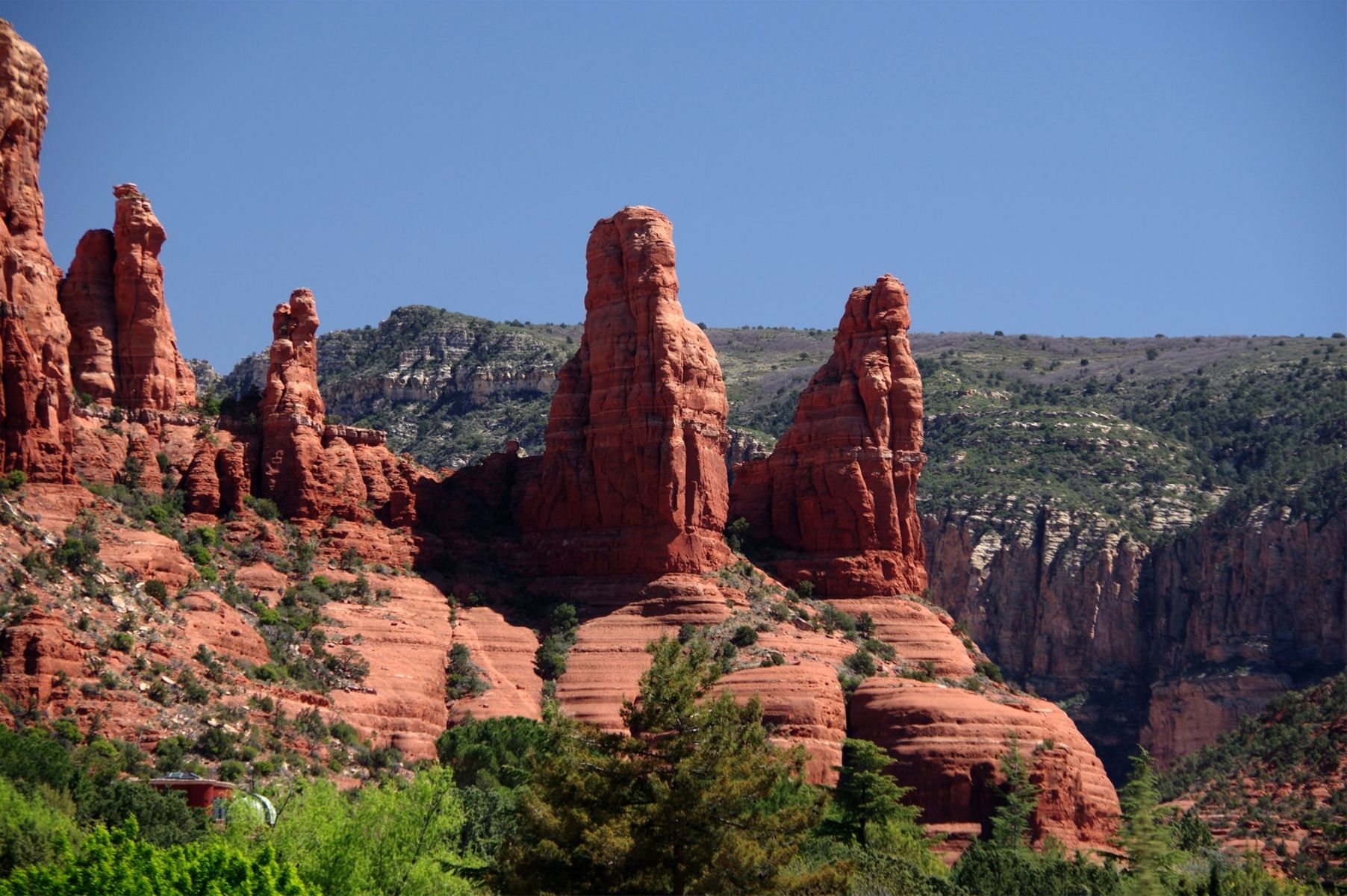
In 1879, the Abraham James family settled just south of Indian Gardens. J.J. Thompson married their daughter Margaret, and together they settled in the Camp Garden community, later named Sedona. Historic records indicate that Abraham James named Sedona's Bell Rock, Steamboat Rock, Courthouse Rock, and Church Rock (later renamed Cathedral Rock). By the early 1900s, two dozen families were raising cattle and horses in the area, planting crops along the creek, and before long establishing orchards.
Sedona's Hollywood Era
The red rock scenery of Sedona has provided a stunning backdrop for over 100 feature films, productions, and commercials over the years. The movie-making era began in 1923 when Zane Grey's novel "Call of the Canyon" was adapted into a silent film in Sedona. In 1945, John Wayne produced and starred in "Angel and the Bad Man," and from thereon, Sedona became Hollywood's hottest movie set for classics such as "Broken Arrow," "3:10 to Yuma," "Easy Rider," and "Midnight Run" starring Robert De Niro.
Today, Sedona is a thriving hub for artists and creatives, and many of the streets are named after movies including Broken Arrow, Copper Canyon, Fabulous Texan, Gun Fury, Johnny Guitar, Last Wagon, Pony Soldier, and Station West. For the ultimate experience of Sedona's art, cinema, history, and nature, start your adventure on the Walk Sedona self-guided trail. Since 1997, the local team at Foothills Rentals has been creating exceptional experiences for visitors to Sedona.